
How Long a Generator Installation Takes, Start to Finish
Understanding what goes into a generator installation can help homeowners and business owners plan ahead and avoid unexpected delays. This article walks through the full timeline of a generator installation project, from the first site visit all the way to final testing, and explains which steps are most likely to slow things down.
The Generator Installation Timeline, Step by Step
Every generator installation follows a sequence of steps. Skipping or rushing any one of them can cause problems later.
List of services
-
Step 1 – Site Visit and AssessmentList Item 1
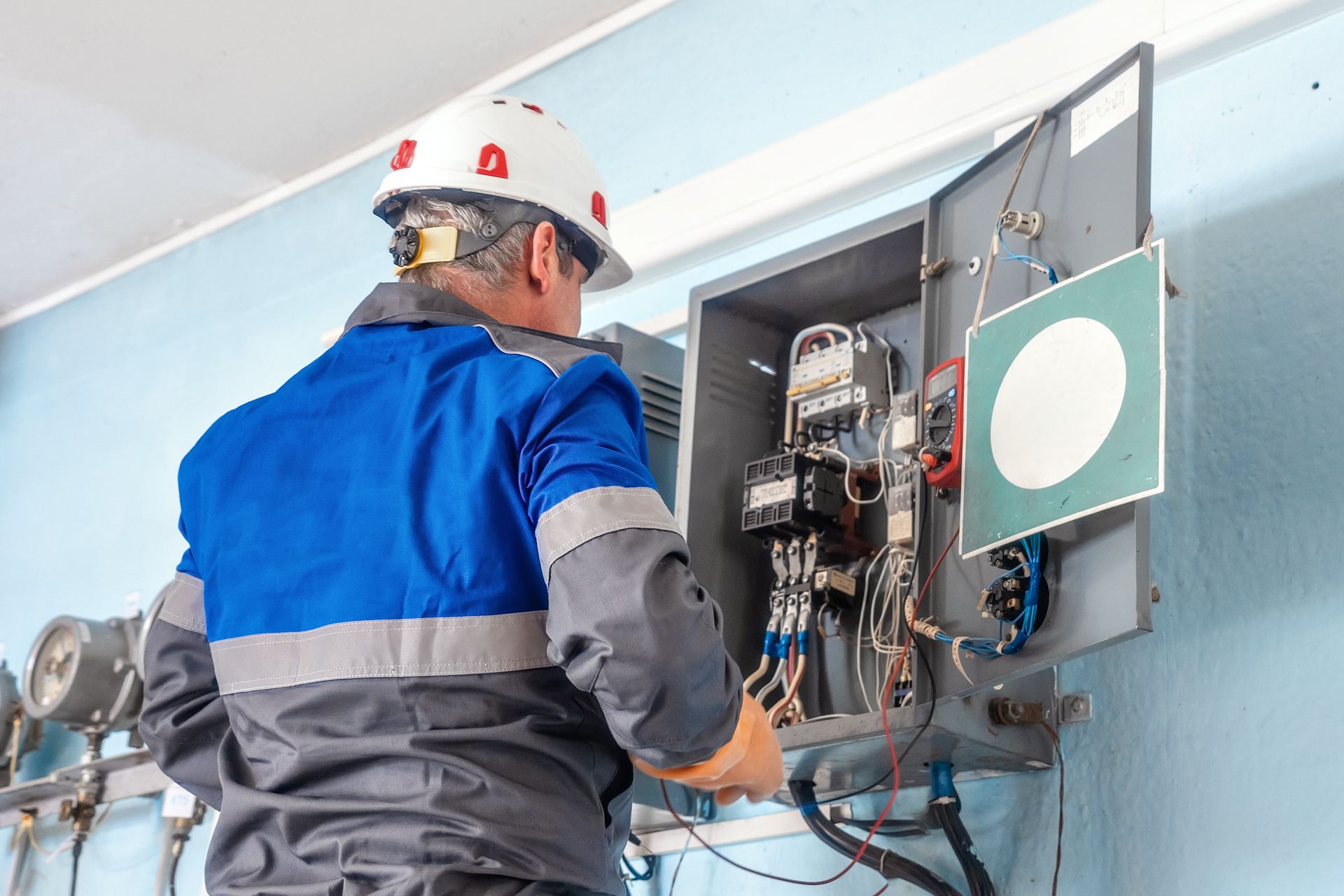
The process begins with a licensed electrician visiting your property. During this visit, the electrician evaluates your electrical panel, identifies where the generator and transfer switch will go, and checks fuel access. For homes and businesses in Ridgeland, MS, the assessment may also account for lot size, setback requirements, and HOA guidelines that can affect placement. This visit usually takes a few hours, and it sets the direction for everything that follows.
-
Step 2 – Sizing the GeneratorList Item 2
After the site visit, the electrician determines the right generator size for your property. This step involves reviewing which circuits or appliances you want powered during an outage. Undersizing a generator can damage equipment. Oversizing wastes fuel and money. Getting this right requires careful load calculation, and it may take a day or two before equipment can be ordered.
-
Step 3 – Permit ApprovalList Item 3
This is often the step that introduces the most waiting time. Most Mississippi municipalities, including those serving Ridgeland, MS, require a permit before generator installation work can begin. Permit review times can vary from a few business days to a few weeks, depending on local workload and whether the application is complete on the first submission. Incomplete paperwork or a plan revision request can reset the clock. There is no way to guarantee how long this step will take.
-
Step 4 – Pad and Gas WorkList Item 4
Once the permit is approved, physical work can begin. A concrete pad is typically poured to support the standby generator. This pad needs time to cure before the generator can be set on it – usually at least 24 to 48 hours. If the generator runs on natural gas or propane, a plumber or gas contractor will need to run or extend the fuel line. Coordinating multiple trades can add days to the schedule, especially during busy seasons. In Central Mississippi, late spring and summer tend to be high-demand periods because of severe weather, so scheduling can tighten significantly.
-
Step 5 – Electrical Connection
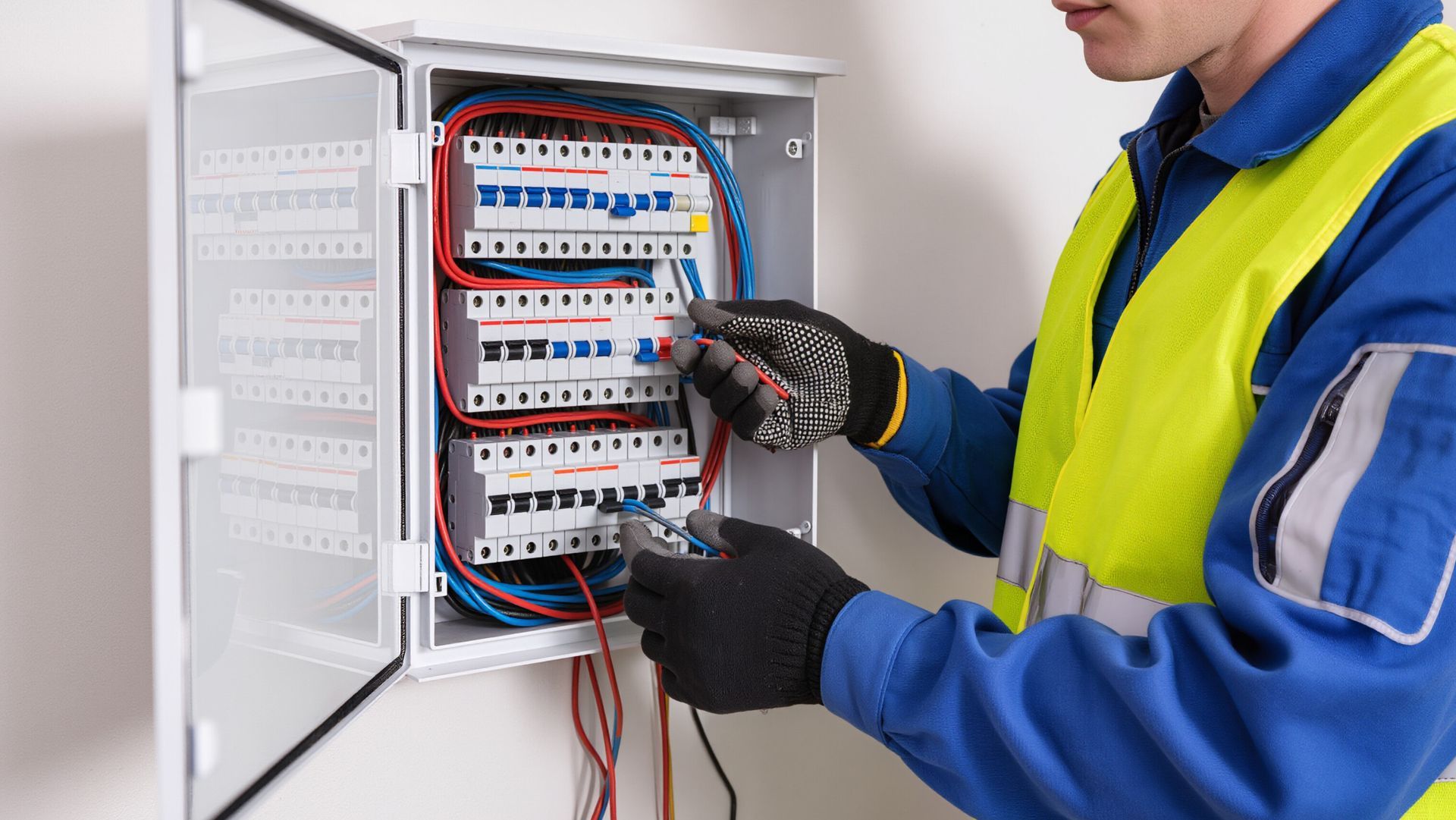
With the pad ready and fuel in place, the electrician connects the generator to your home or business electrical system. This involves installing the automatic transfer switch, running conduit, and making the panel connections. The transfer switch is the component that detects a power outage and shifts your property to generator power automatically. This part of the job typically takes one to two days for a standard residential installation, though more complex commercial setups may take longer.
What Causes Generator Installation Delays?
Delays are common, and most of them fall outside the electrician's control. Knowing the common causes helps you plan better.
▸ Permit processing backlogs at the local authority can add days or weeks to the timeline.
▸ Equipment availability and shipping times for the generator unit itself can vary, especially during hurricane season when demand spikes across the Gulf South.
▸ Weather conditions may prevent concrete from being poured or curing correctly.
▸ Gas line work that requires a separate contractor can introduce scheduling gaps.
▸ HOA or municipal setback reviews that require additional documentation can pause work unexpectedly.
None of these factors reflect poor workmanship. They are simply part of the process.
Load Testing and Final Inspection
The final step is a load test. The electrician runs the generator under real electrical load to confirm it starts correctly, transfers power without issue, and shuts down cleanly when utility power returns. This step may also require a final inspection by the permitting authority before the installation is officially signed off. In some cases, the inspector's schedule can add a day or two at the very end. Once testing passes, the system is ready for use.
How Long Does the Whole Process Take?
The honest answer is that timelines vary. A straightforward residential generator installation in the Ridgeland, MS, area may move from initial assessment to final testing in as few as one to two weeks under ideal conditions. However, permit delays, equipment lead times, or trade coordination can stretch the timeline to three to six weeks or more. Planning ahead – especially before storm season – gives you the best chance of having backup power in place when you need it most.
Ready to Get Started With Generator Installation Serving Ridgeland, MS?
If you want backup power for your home or business, the best time to start the process is before an emergency. To learn more about what generator services may be available for your property, visit the generator service page or contact the team to request a free estimate. Rinewalt Electric, LLC has been serving Central Mississippi since 1994 and can walk you through every step, from site visit to final test. Call (601) 859-8836 to get the conversation started. You can also read reviews of Rinewalt Electric, LLC.